

The Hidden Cost of Paper-Based Clinics in Sri Lanka
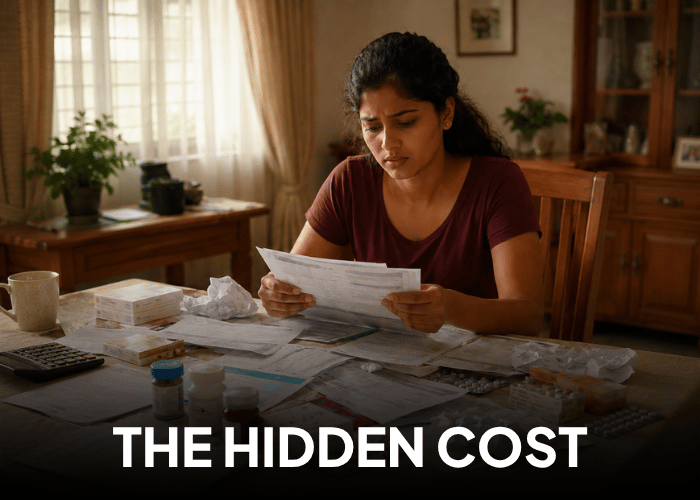
Walk into many clinics across Sri Lanka today, and you’ll still see the same scene:
- Stacks of patient files tied with strings
- Cupboards overflowing with records
- Handwritten prescriptions
- Lab reports clipped together inside folders
For decades, this has been the “normal” way of running a clinic.
But behind this familiar system lies a hidden cost that many clinics, doctors, and even patients do not fully realize and over time, that cost keeps growing.
The Problem Is Bigger Than Just Paper
Paper records may seem simple but as clinics become busier and patient expectations increase, paper-based workflows create operational challenges that directly impact healthcare delivery.
Doctors often spend valuable consultation time:
- searching for old records
- reading difficult handwriting
- rewriting repetitive notes
- managing misplaced files
- tracking previous prescriptions manually
This doesn’t just create frustration. It reduces efficiency, increases stress, and can affect continuity of care.
Lost Time During Every Consultation
In a busy clinic, even a few extra minutes per patient matters.
When patient history is scattered across files, doctors and staff spend unnecessary time:
- locating records
- organizing documents
- retrieving old investigations
- handling duplicate paperwork
Multiply this across dozens of patients per day, and the clinic loses hours every week.
Time that could have been spent:
- improving patient care
- reducing queues
- increasing operational efficiency
- allowing doctors to focus more on clinical decisions
The Risk of Missing Critical Information
Paper records also create a major continuity-of-care problem.
What happens when:
- a patient forgets previous reports?
- old prescriptions cannot be found?
- allergies were documented in another file?
- a patient visits multiple clinics?
Without centralized and structured records, important medical history can easily be missed.
This becomes especially risky during:
- emergencies
- chronic disease management
- elderly patient care
- follow-up consultations
In healthcare, missing information can directly impact clinical decisions.
Patients Expect Better Experiences Today
Today’s patients are becoming increasingly digital.
They expect:
- faster service
- appointment reminders
- organized records
- easier access to prescriptions
- better communication
A purely paper-based clinic struggles to meet these expectations consistently. This is not about replacing doctors with technology.
It is about reducing unnecessary administrative burdens so doctors can focus on what matters most: patient care.
The Financial Cost Most Clinics Don’t Notice
The hidden cost of paper isn’t just operational.
It is financial too. Clinics spend money on:
- printing
- storage
- filing systems
- physical space
- duplicate paperwork
- administrative overhead
Over time, inefficiencies quietly reduce the clinic’s ability to scale and operate smoothly.
Many clinics adapt to these inefficiencies because they have become routine.
But routine does not always mean sustainable.
The Shift Toward Digital Clinics
Around the world, healthcare is moving toward connected and digital workflows.
Sri Lanka is beginning to move in the same direction.
Modern clinic management platforms now allow doctors to:
- access patient records quickly
- document visits digitally
- manage queues and appointments
- streamline billing
- improve continuity of care
- reduce paperwork significantly
Most importantly, these systems help reduce operational friction without changing the core doctor-patient relationship.
Building a Better Future for Sri Lankan Clinics
Digital transformation in healthcare is no longer a luxury.
It is becoming a necessity.
Sri Lankan doctors already carry enormous responsibility every day. Administrative inefficiencies should not make that harder.
At Axon Systems, we believe technology should support healthcare professionals – not complicate their work.
That is why we are building DocSync: a modern clinic and patient management platform designed specifically for Sri Lankan healthcare workflows.
The goal is simple:
Reduce paperwork. Improve continuity of care. Help clinics operate more efficiently.
Because doctors should spend more time treating patients – not managing paper files.